
CONTEXT
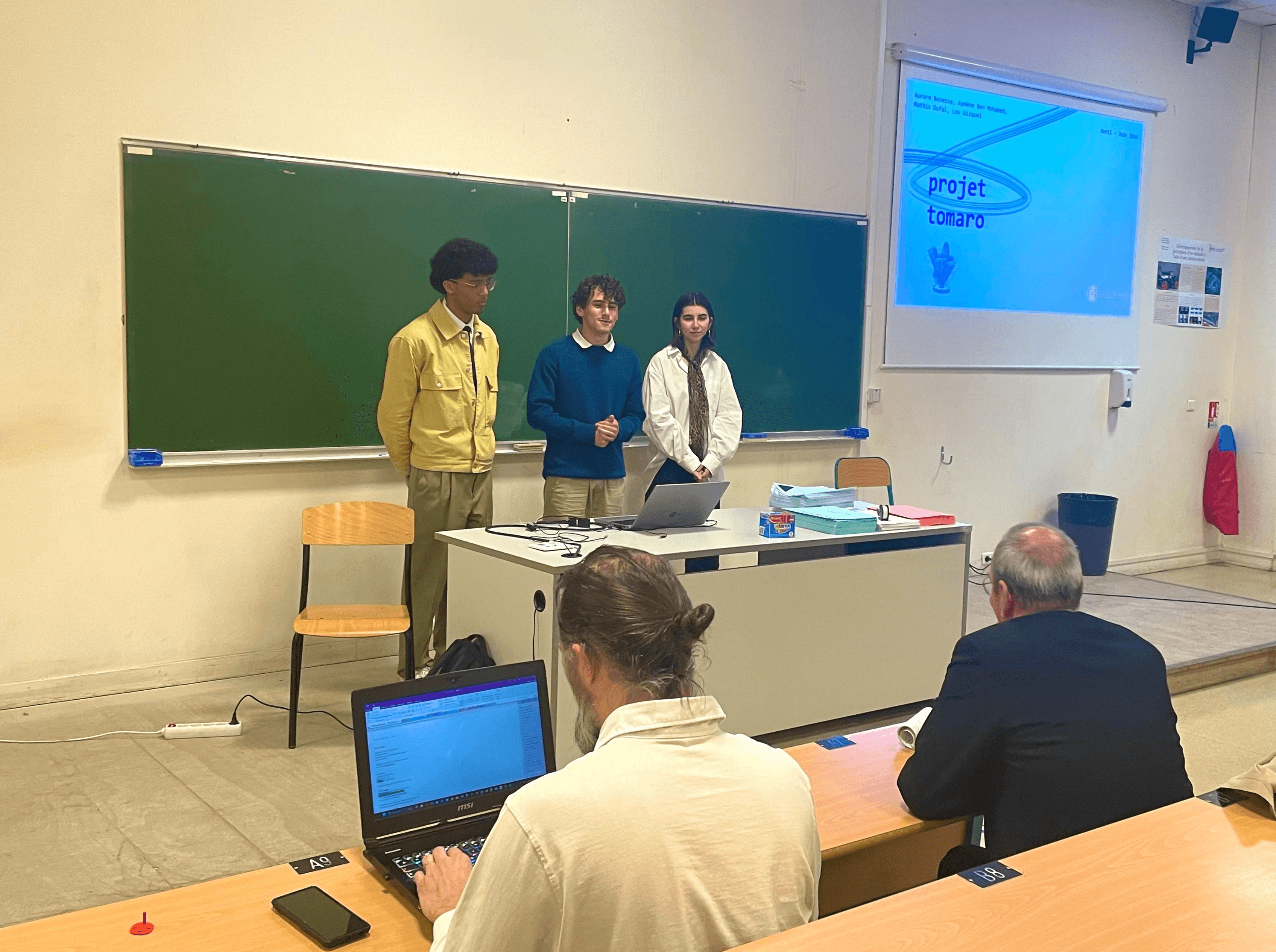
This project was part of an innovation contest organized by the Brain and Spinal Cord Institute.
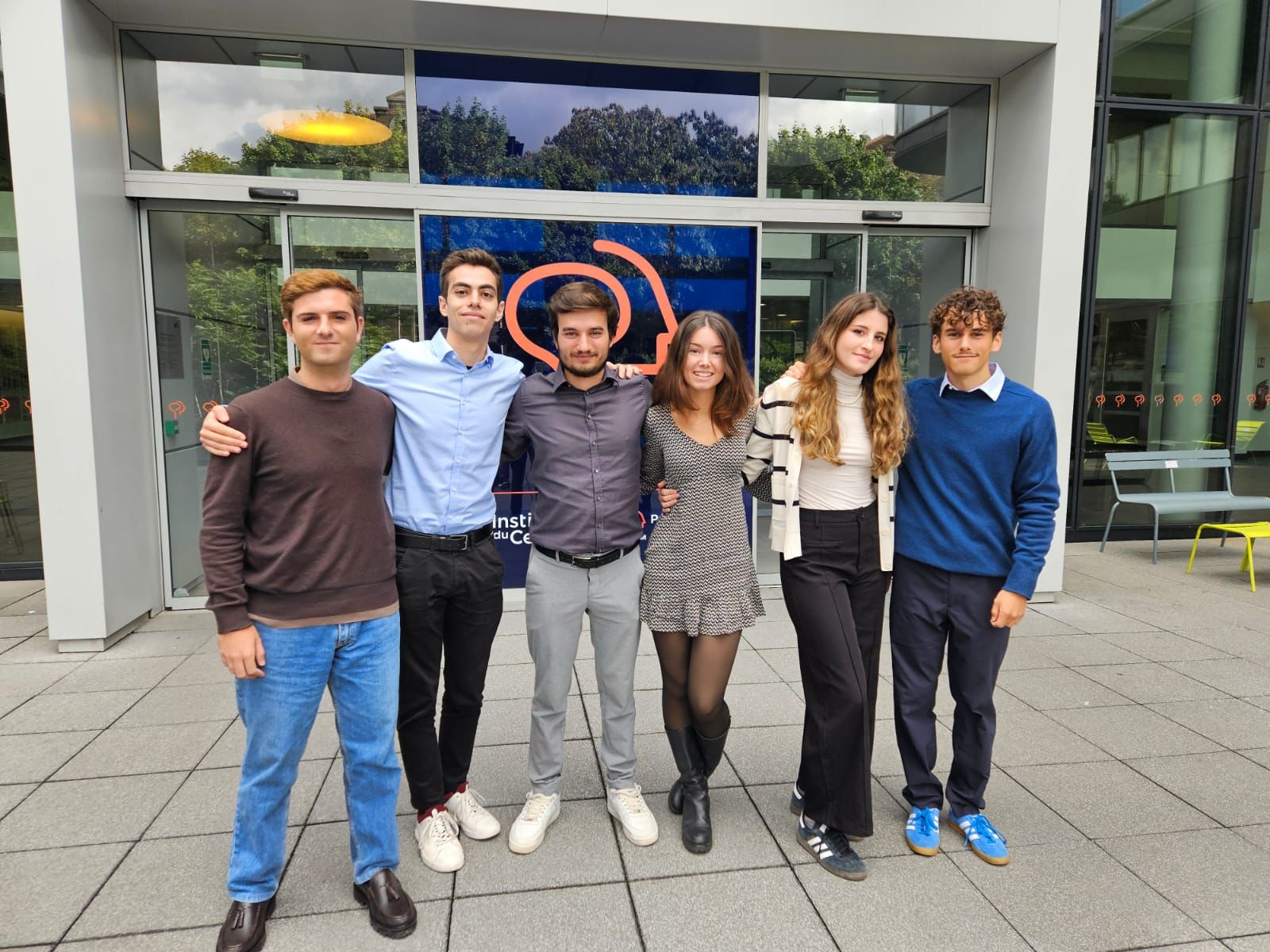
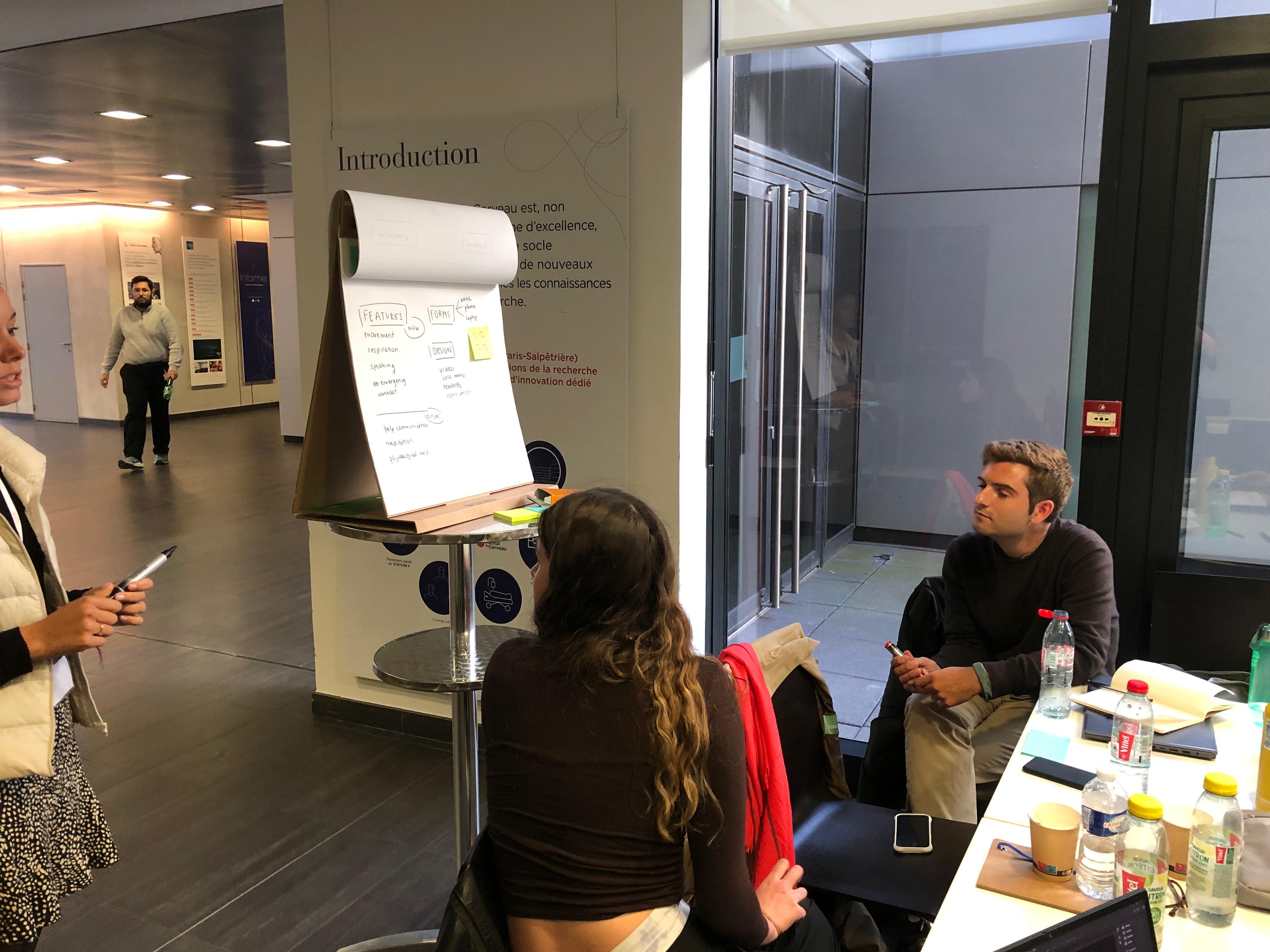
In an international multidisciplinary team of six, we worked for a week with experts and ALS patients to design a solution to improve their daily lives.
Our team won second place.
RESEARCH & INSIGHTS
Engaging with experts and patients provided critical insights that guided our design thinking :
INSIGHT 1 : Dependence shapes identity.
Loss of autonomous actions affects self‑confidence and social roles: independence and choice are essential to dignity.
OPPORTUNITY :
Restore autonomy and choice, enable doing, participating, and acting whenever they wish.
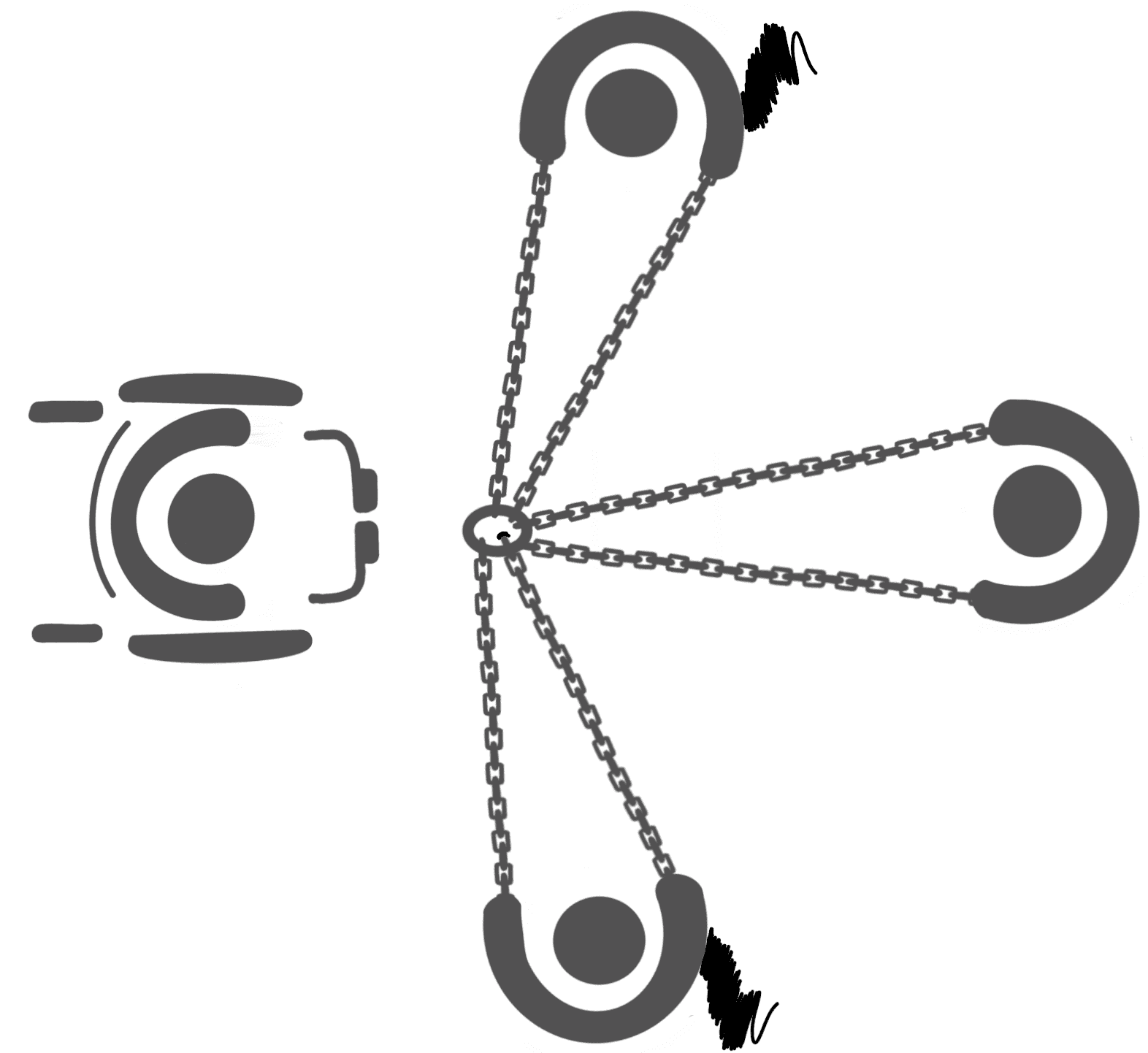
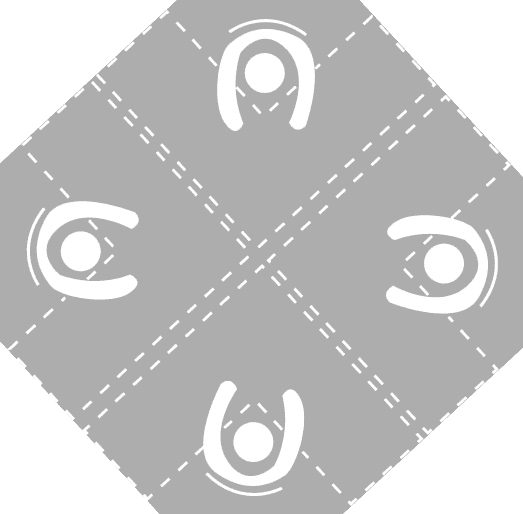
INSIGHT 2 : Losing autonomy means losing one’s place in social rituals, such as shared meals.
Losing autonomy in eating turns meals into care, experienced separately and out of sync. Yet in France, meals are a fundamental ritual of family connection.
OPPORTUNITY :
Design a solution that enables dependent individuals to reclaim an active role in the collective ritual of meals.
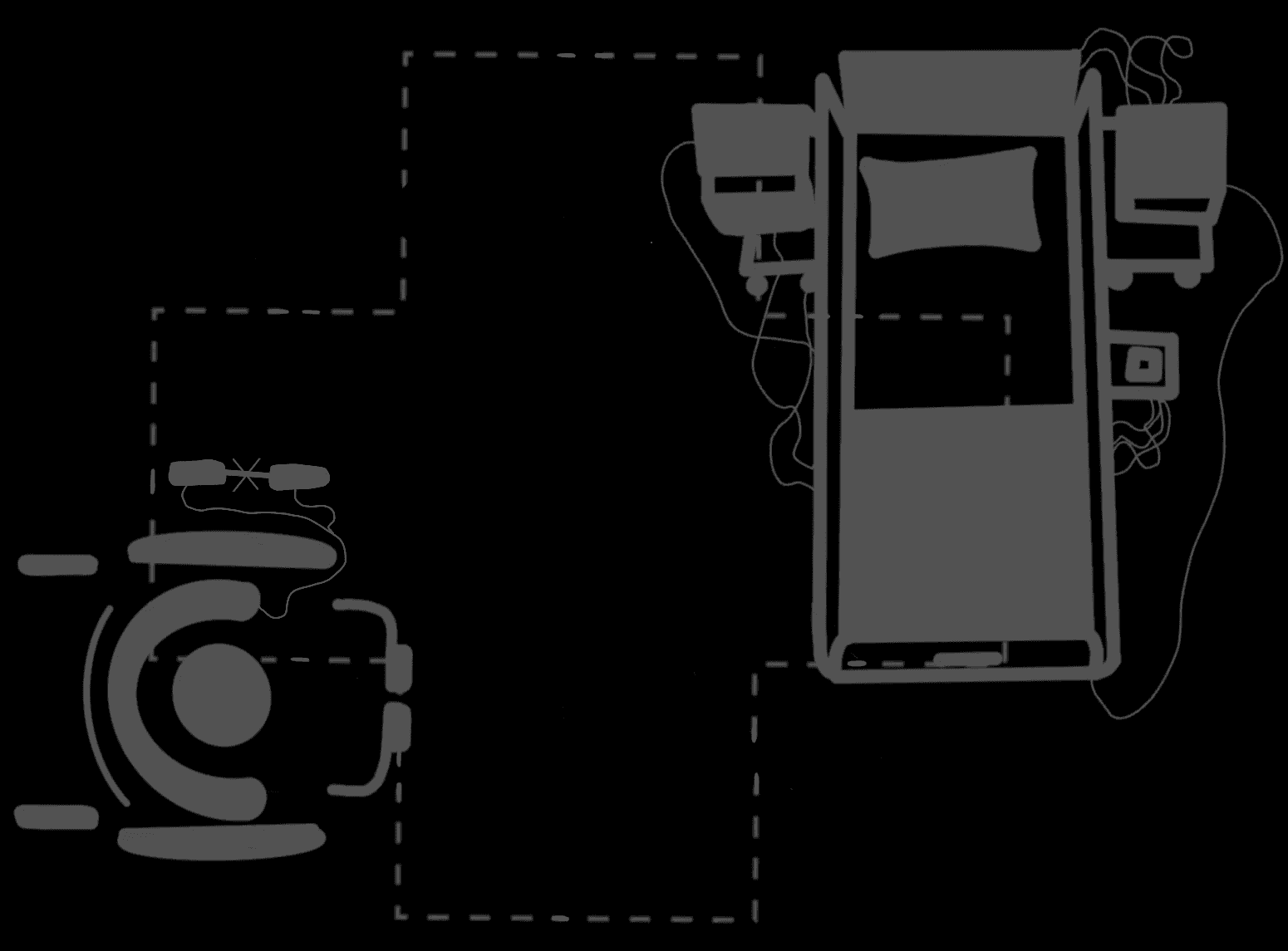
INSIGHT 3 : The more medical a tool is, the more it highlights the illness.
Assistive devices constantly remind users of their illness, turning every daily action into care rather than a moment of life.
OPPORTUNITY :
Devices that blend into daily life, experienced as chosen rather than medicalized.
DESIGN CHALLENGE
“ How can we give everyone the opportunity to fully participate in the meal ritual, making autonomy a lever for dignity and social connection ? ”
MEDICAL
RESEARCH
We interviewed an occupational therapist from a specialized hospital.
To eat autonomously, people with ALS need :

To eat or drink without engaging the bulbar muscles (opening the mouth, chewing, swallowing).

To drink without tilting the head backward.

To receive the right quantity of their semi‑liquid food, minimizing choking risk.

To prevent any spillage, even in case of clumsy movements or dropped objects.
DESIGN
SOLUTION
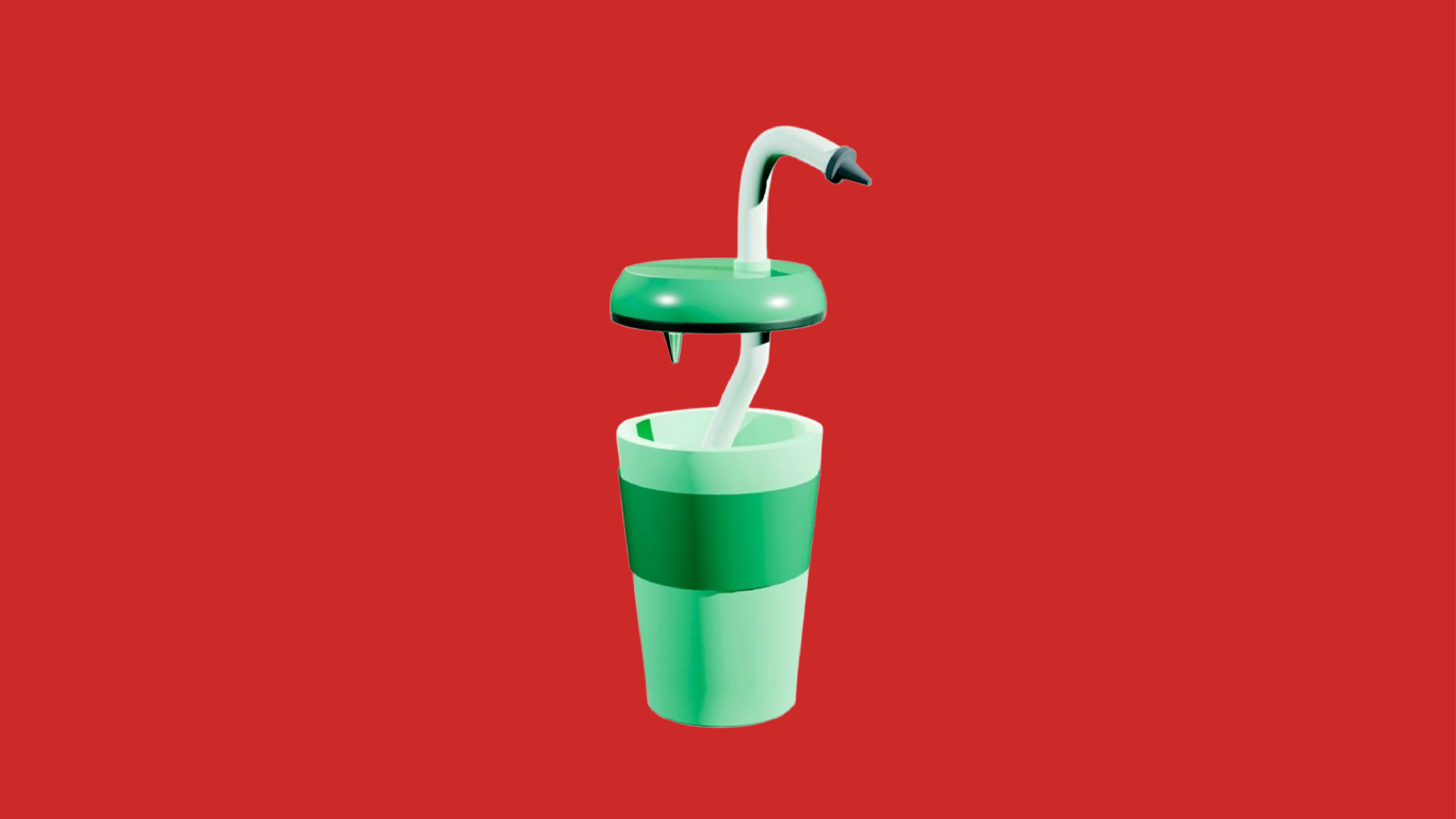
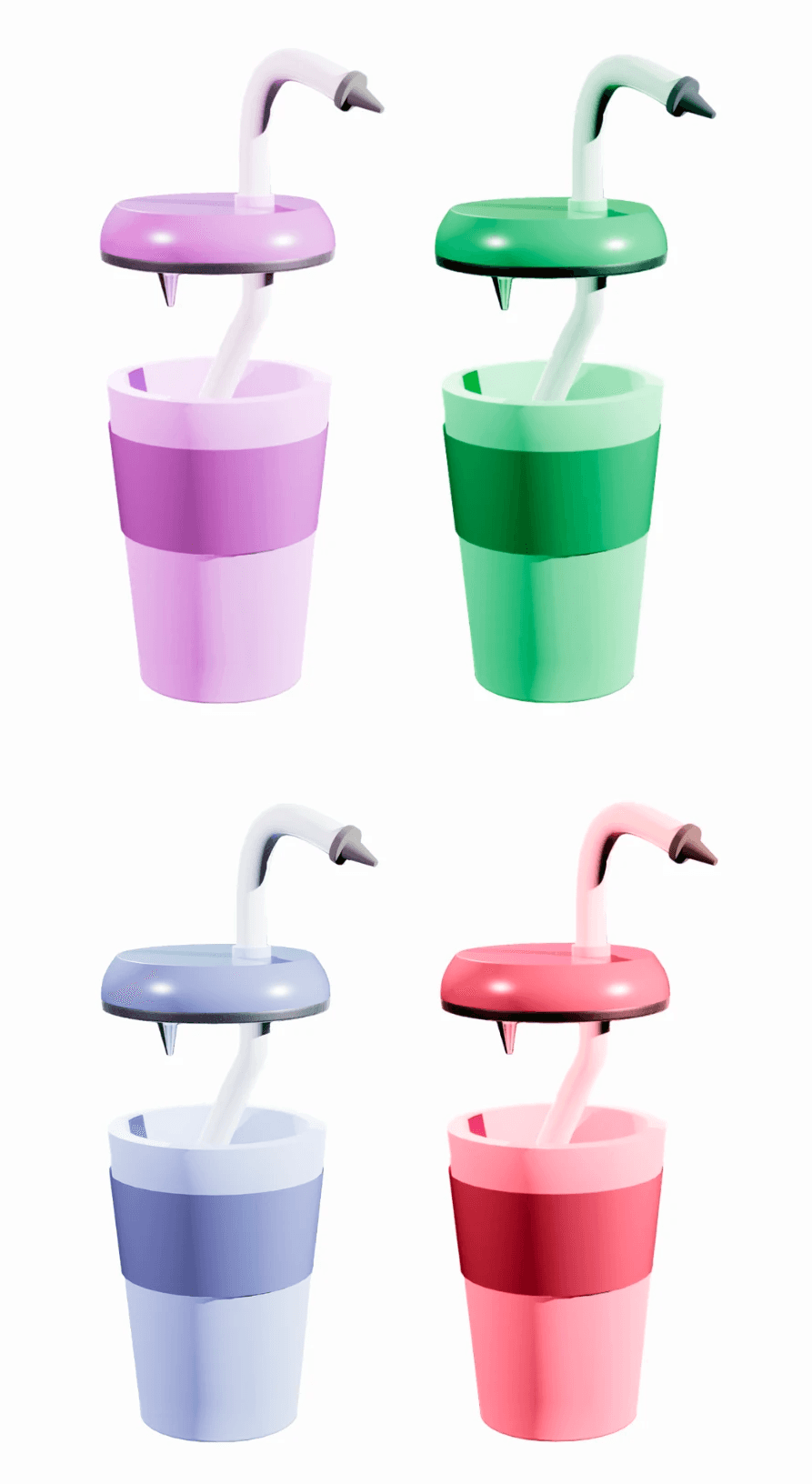
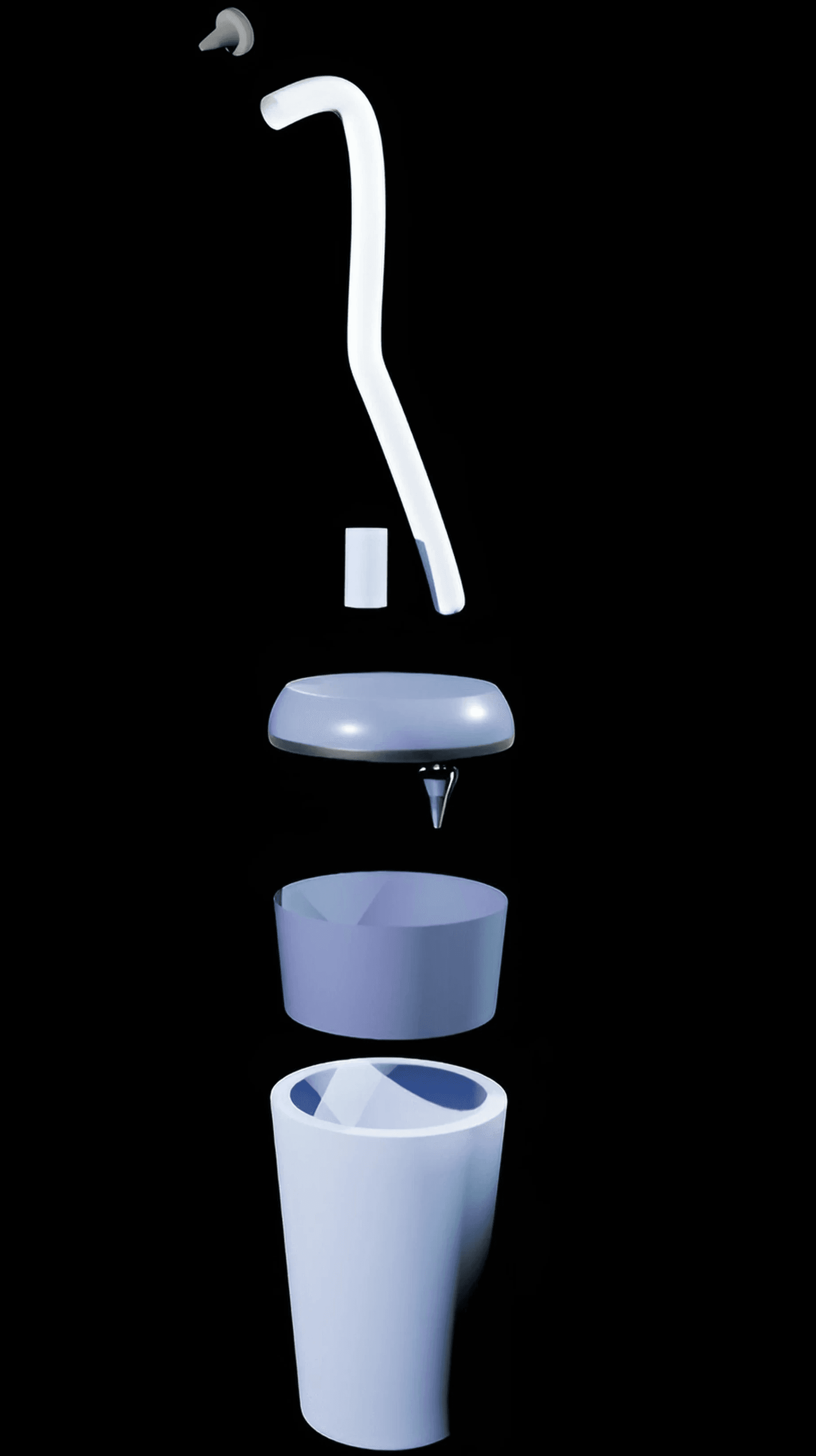
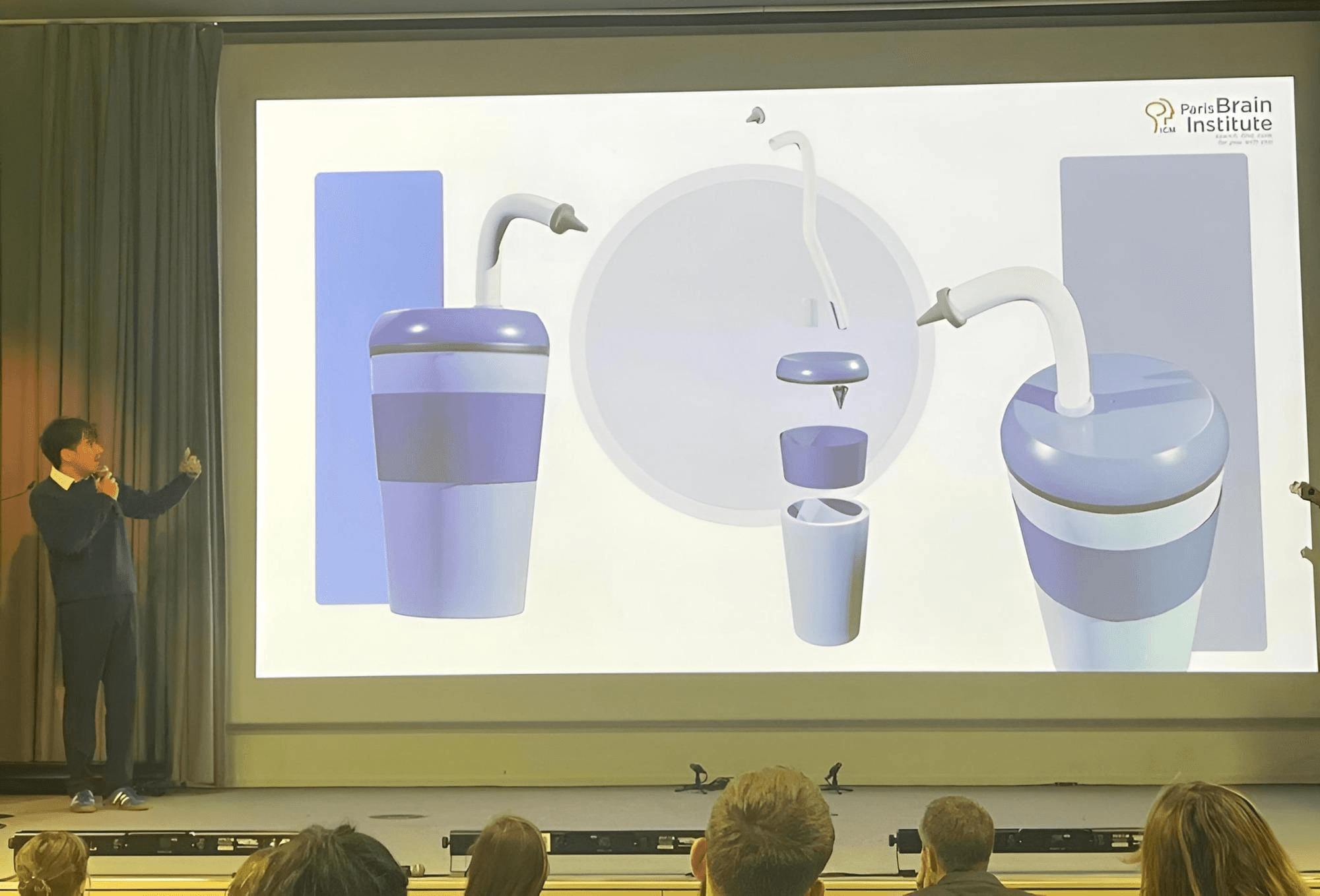
Our proposal is a Cup that enables :
Dispense liquid and semi‑liquid food using an integrated pump.
Serve food in quantities and at intervals individually determined by an occupational therapist.
Easy to hold, stable when set down, drop‑resistant, and easy to clean.
Provide autonomy and identity by allowing the user to personalize it and move away from the strict, uniform world of hospital tools.
BROADER
PERSPECTIVE
This cup enables anyone with motor impairments to stay autonomous and engaged during meals (Parkinson’s disease, multiple sclerosis, etc.).
Our project was praised by patients and healthcare professionals and won second place in the competition.