
CONTEXT
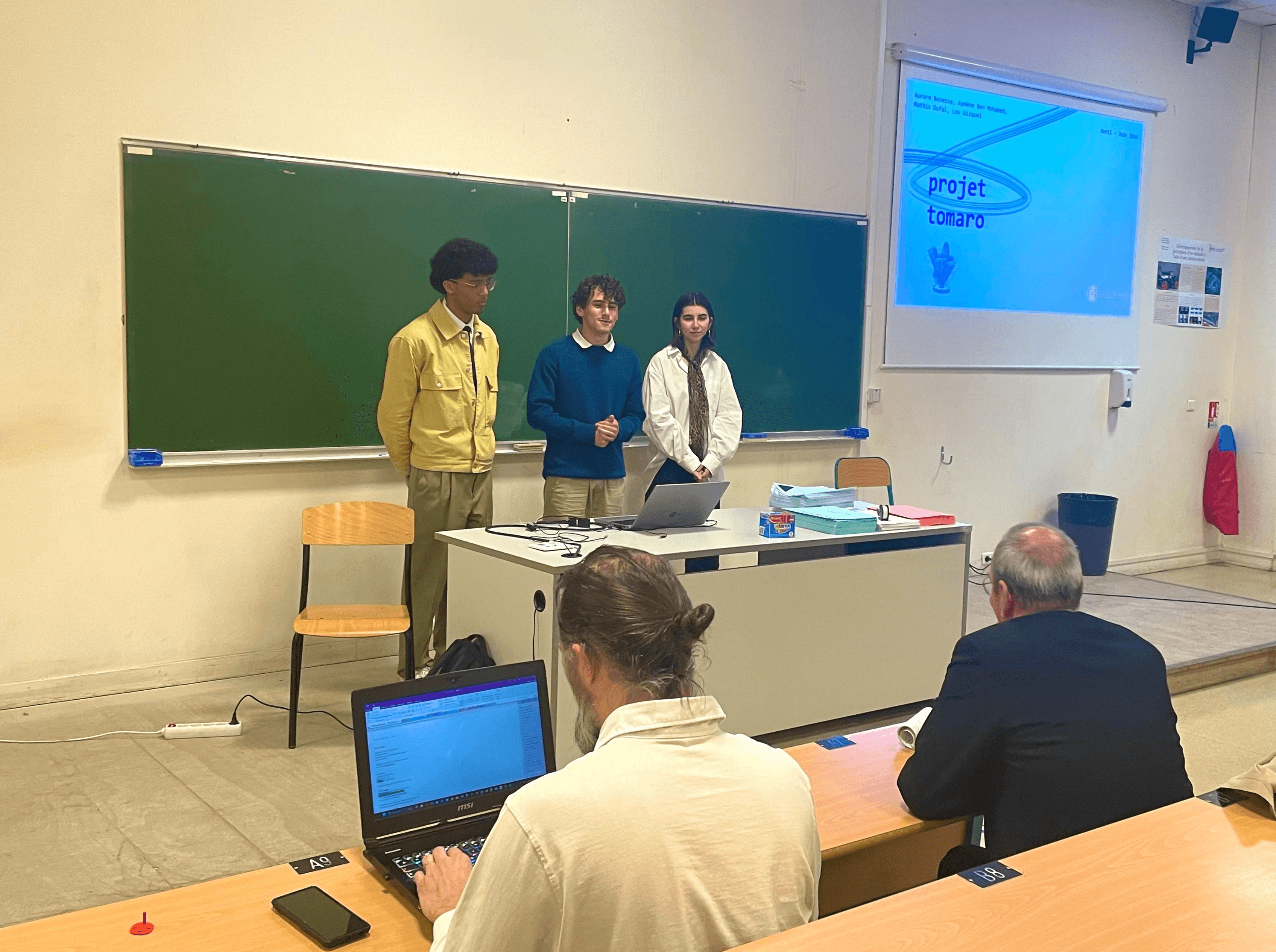
As part of a third-year project, I worked for eight weeks with Tomaro, a specialist in territorial digital twins.
How can digital twins make complex territorial dynamics visible and support more informed democratic participation ?
Once seen as purely industrial tools, they prove to be powerful human, social, and territorial levers.
RESEARCH & INSIGHTS
A quantitative survey of around 100 participants and eight qualitative interviews helped identify several key insights :

INSIGHT 1 : The desire exists, access is lacking.
The participation fails not due to lack of interest, but because it is neither visible, nor intuitive, nor integrated into daily practices.
OPPORTUNITY : Transform abstract engagement into action that is open to all and context‑based.
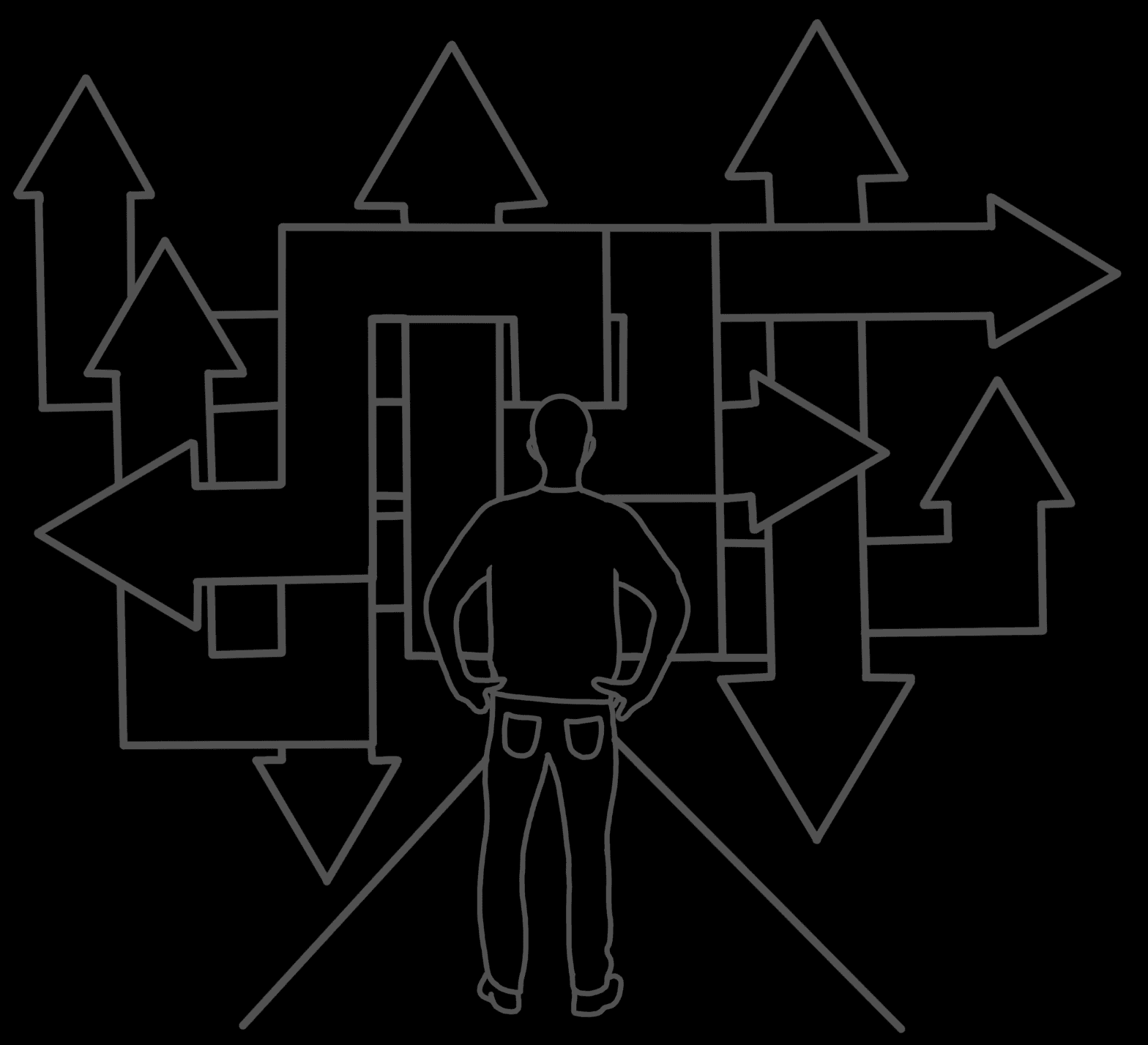
INSIGHT 2 : The complexity of issues leads people to stay silent for fear of being wrong.
The complexity of municipal mechanisms (information and decision‑making) creates a distance that turns citizens into passive observers.
OPPORTUNITY : Make local information clear so that every citizen feels legitimate to participate.
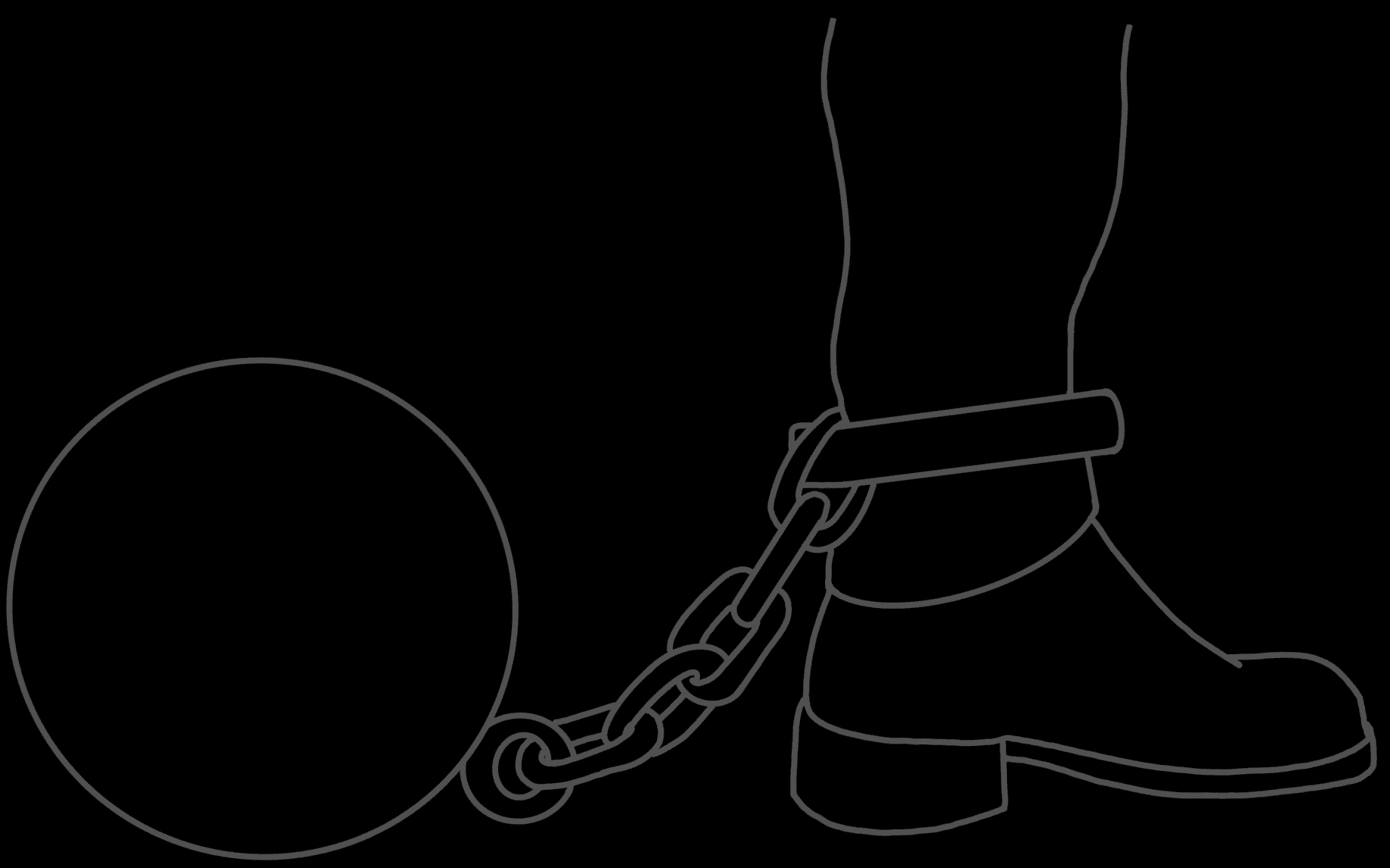
INSIGHT 3 : The effort to stay informed and participate discourages engagement.
Citizens want to engage but lack the time and energy.
OPPORTUNITY : Create information and decision‑making moments that fit naturally into daily life.
DESIGN CHALLENGE
“ How can every everyday action and moment become a simple opportunity for civic information and decision‑making ? ”
DESIGN SOLUTION
For citizens to engage in public debate, two things are necessary :

Citizens are informed so they can make decisions based on understanding.
No obstacles should prevent participation, whether related to time, cost, or other constraints.

I envisioned an information network that keeps the population informed about the complexities of their territory.
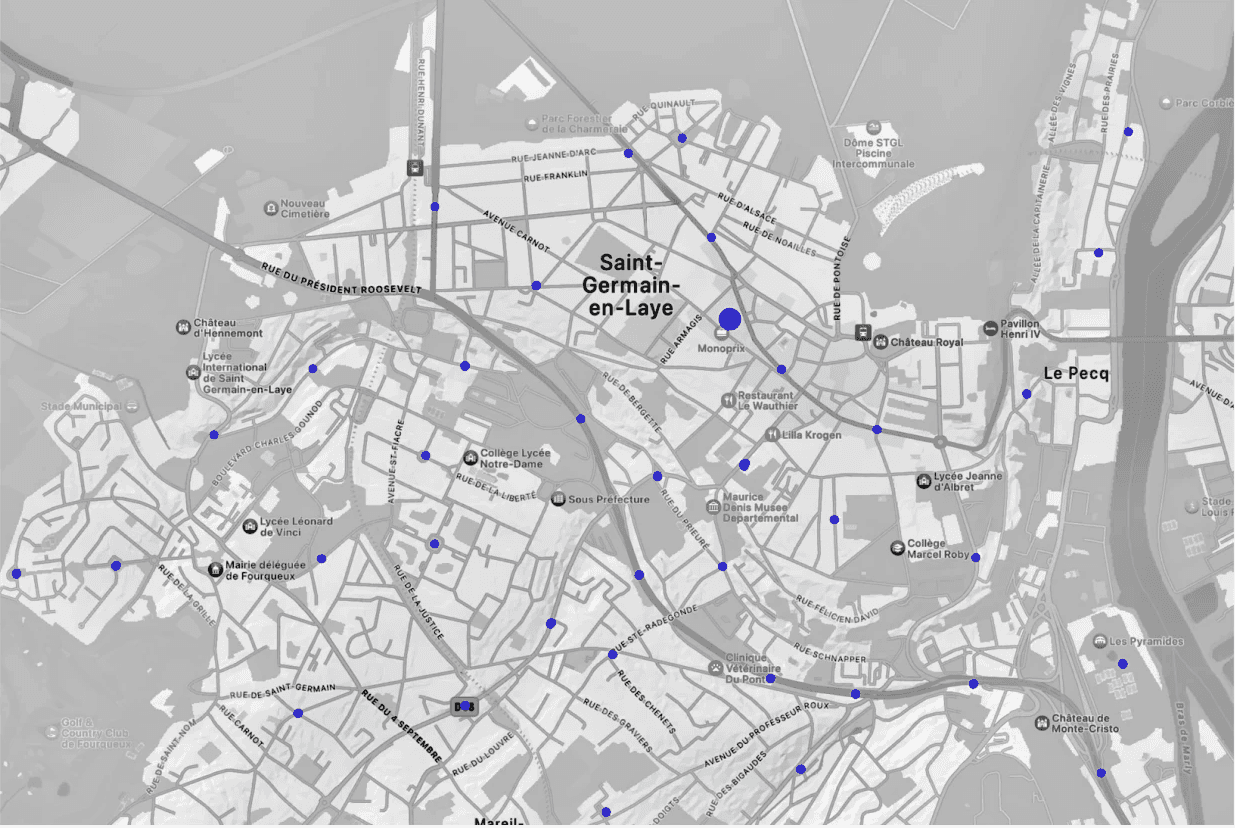
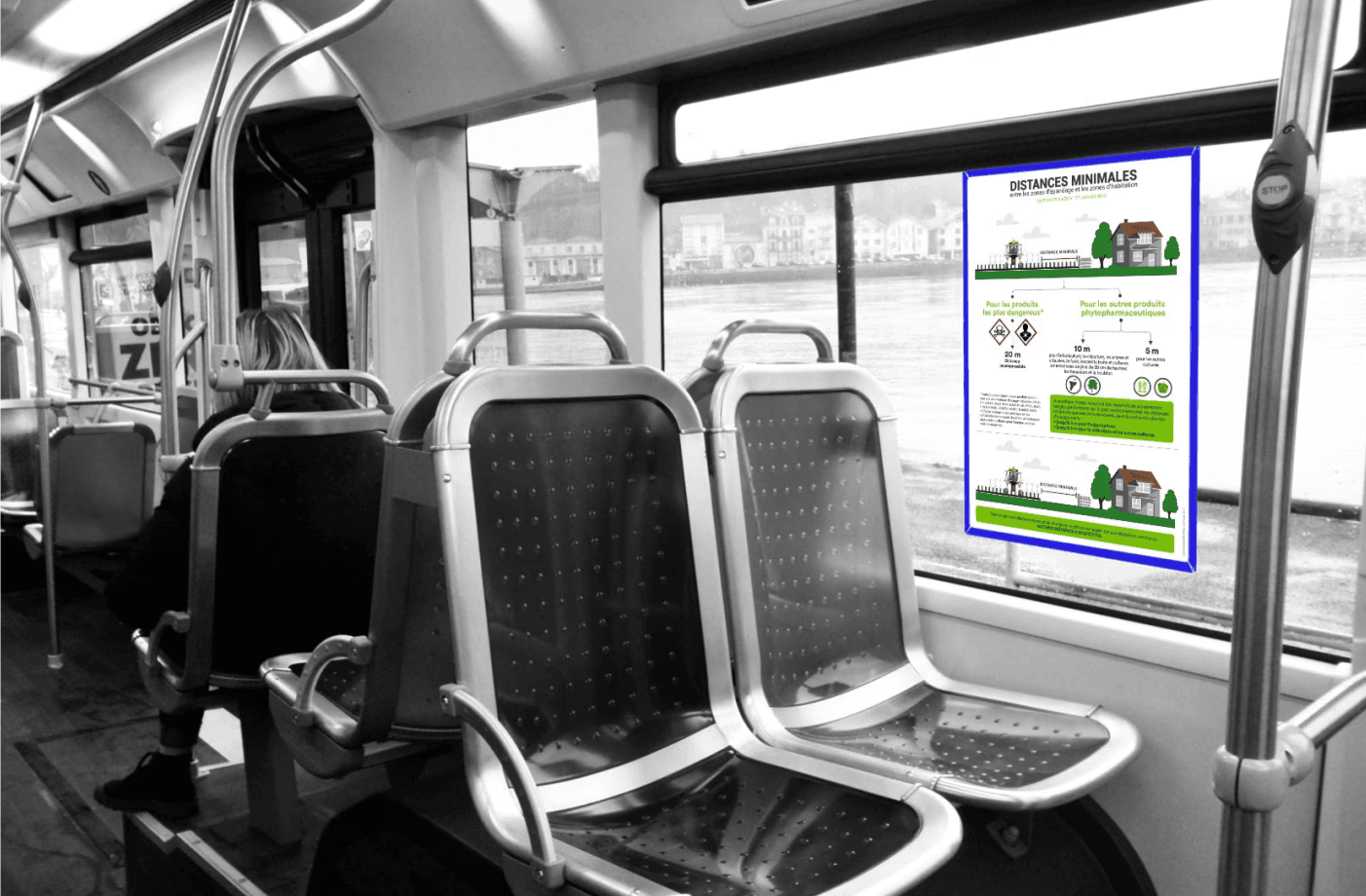
The information provided focuses on current territorial issues.
For example, if a municipal project involves water networks, citizens are informed about the current situation, the stakes, the risks, and more.
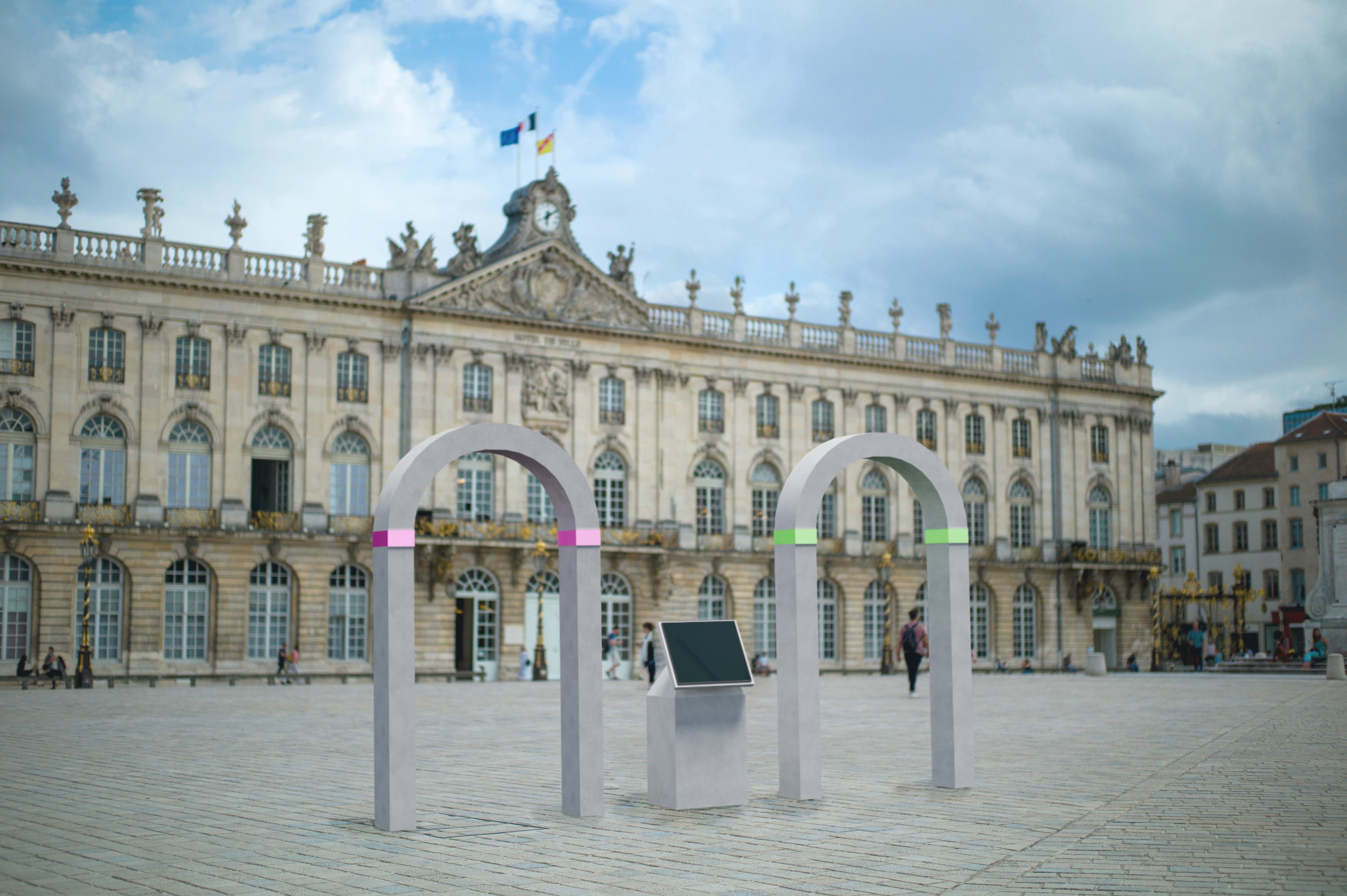
Next, a municipal project would be presented in all its complexity to citizens, via a screen or interactive model, in a public space.
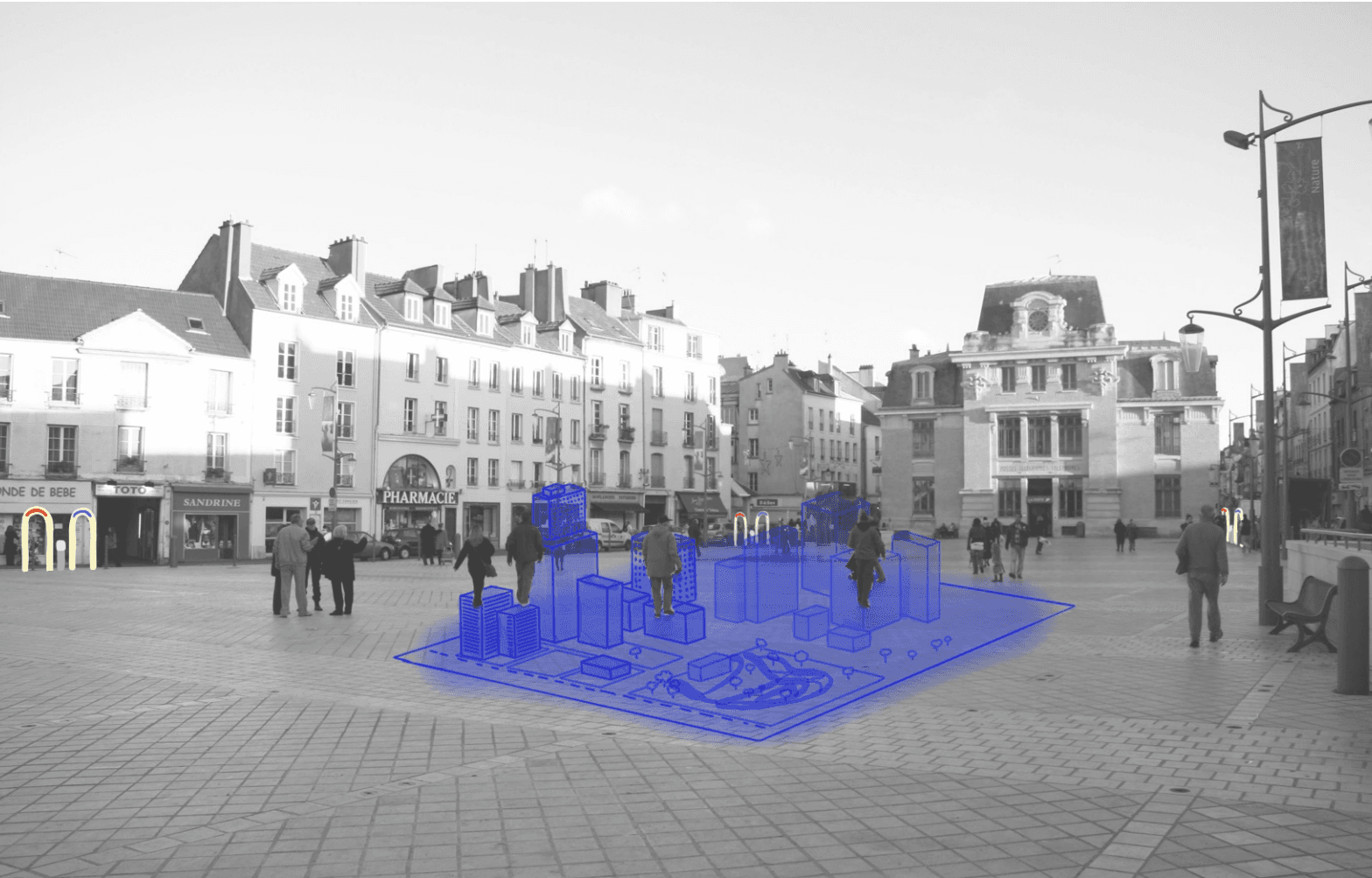
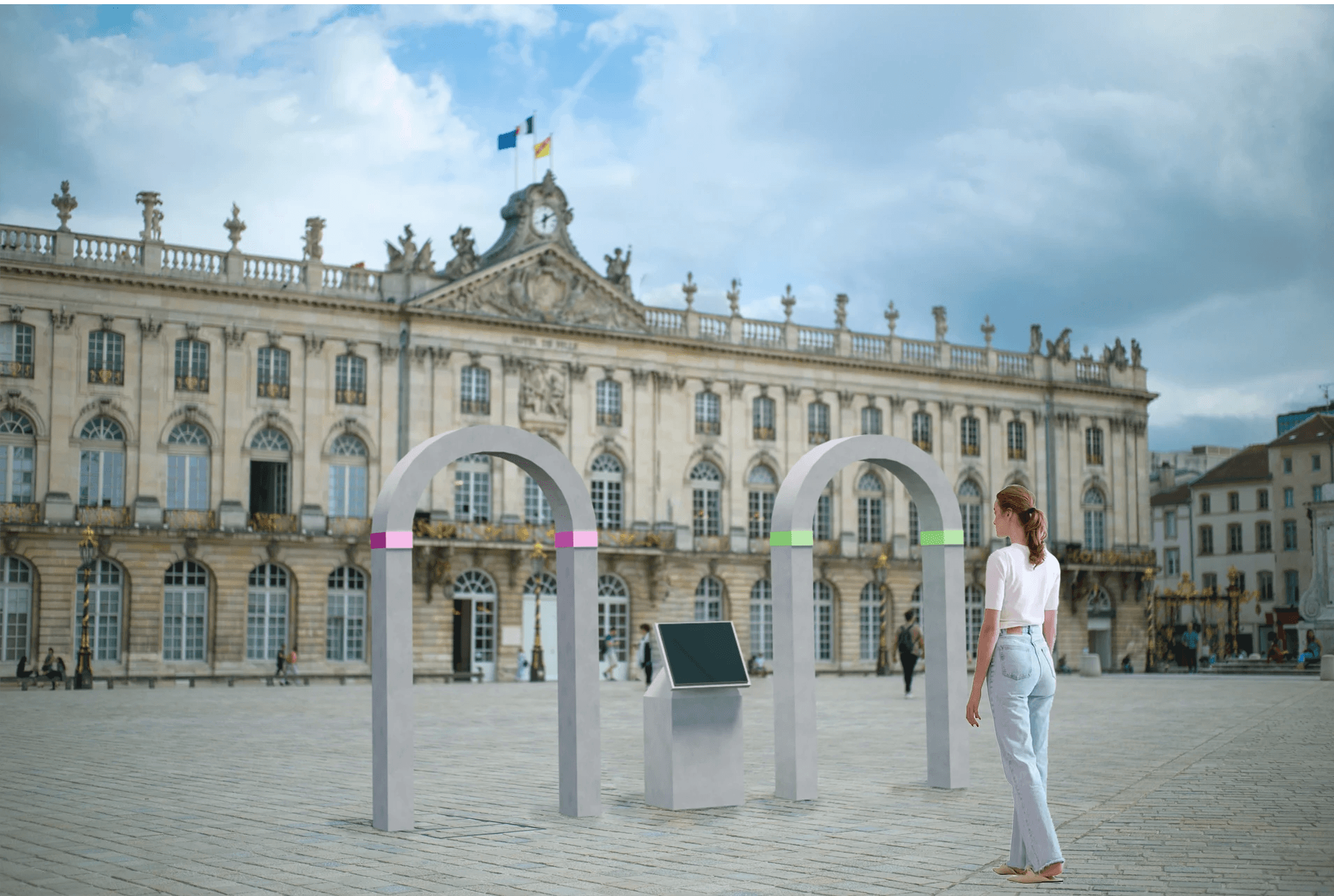
Informed citizens simply pass through a gateway to give their opinion and engage in local democracy.
No complex procedures, just a slight change of course!